
Shadow Productivity Economy: AI Tools Used in Secret at Work
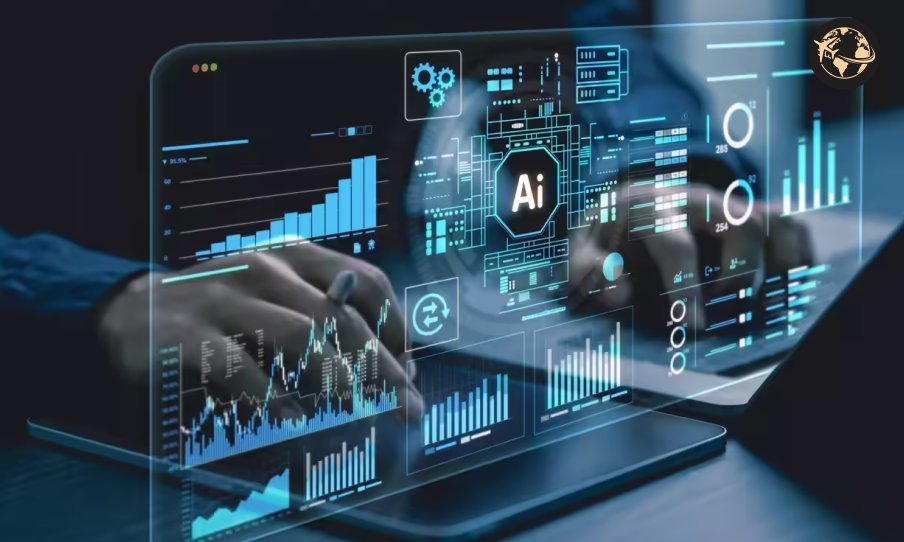
Work is changing fast. Employees face pressure. Deadlines move quickly. Managers expect results. Technology steps in. Artificial Intelligence (AI) becomes the hidden helper. Many workers now use AI tools quietly. This silent wave creates what experts call the shadow productivity economy.
In this new world, workers turn to AI secretly. They type prompts into chatbots. They let machines draft emails. They use AI to clean spreadsheets. They ask tools to design slides. The work looks human. The effort feels lighter. Yet managers may not know.
This shadow economy grows daily. It raises questions. Should workers hide? Should companies care? Is secret AI use good or risky? The answers depend on culture, trust, and power inside the workplace.
The Rise of Hidden AI Use
AI tools arrived fast. ChatGPT, Bard, Claude, and Copilot became common names. They spread beyond tech circles. Students used them for essays. Freelancers used them for client work. Employees saw a chance.
But rules stayed unclear. Some firms banned AI tools. Others delayed policies. Fear of data leaks shaped restrictions. Workers, however, wanted speed. Many decided to act quietly. They opened browser tabs. They used personal accounts. They finished tasks faster, unnoticed.
This quiet adoption formed the shadow productivity economy. Work was still done, but not by humans alone. A layer of AI powered the results.
Why Employees Go Underground
Workers do not hide AI use without reason. The drivers are strong and direct:
- Time Pressure
Projects demand quick output. AI saves hours. Drafts appear in seconds. Reports take minutes, not days. Workers see the gain. - Skill Gaps
Not every employee writes well. Not all know data formulas. AI fills these gaps instantly. It acts like a personal tutor. - Job Security Anxiety
Paradoxically, fear pushes use. Workers worry about layoffs. They think: “If I deliver faster, I stay safe.” So they adopt AI in silence. - Policy Uncertainty
Rules are either missing or strict. Workers prefer secrecy over asking. This creates a gap between formal policy and real practice. - Peer Influence
Whisper networks spread tips. A colleague shares a shortcut. Another shares a prompt. Soon, hidden AI becomes routine.
The Tools in Play
Different workers use different tools. The shadow economy runs on variety:
- Text Generators: ChatGPT, Claude, Gemini. They write reports, summaries, and client emails.
- Code Assistants: GitHub Copilot, Tabnine. They suggest code, fix bugs, and boost developer output.
- Design Helpers: Canva AI, MidJourney. They create slides, graphics, and visuals quickly.
- Spreadsheet Bots: AI add-ons automate Excel or Google Sheets. They clean data or build formulas.
- Meeting Tools: Otter.ai, Fireflies. They capture conversations, distill key points, and list follow-up tasks.
Each tool targets friction. Each tool erases small struggles. Together, they quietly transform workflows.
Productivity Gains and Hidden Risks
Secret AI use has two faces. On one side, workers feel empowered. On the other, risks grow.
Gains:
- Faster work cycles.
- More polished output.
- Less stress in routine tasks.
- Stronger creativity with AI brainstorming.
Risks:
- Data Leaks: Sensitive company data may end up in public AI servers.
- Quality Concerns: AI responses may contain errors, reflect bias, or miss context.
- Trust Gaps: Managers may feel betrayed if they discover hidden usage.
- Skill Erosion: Overreliance may weaken core employee skills.
- This double-edged nature makes the shadow economy complex.
The Manager’s Dilemma
Leaders face hard questions. Do they punish secret use? Or do they embrace it? Each choice shapes culture.
- Strict Ban: Some firms ban AI. They fear leaks. They track software. But bans create secrecy. Workers still use AI, just more quietly.
- Open Embrace: Other firms adopt AI officially. They train staff. They set guardrails. Trust grows.
- Middle Ground: Some firms allow AI but limit scope. They approve tools only after review. This balances speed and safety.
The dilemma remains: productivity or control?
Sub Point: Shadow Productivity Mirrors Shadow IT
The idea is not new. Years ago, “shadow IT” appeared. Employees used apps not approved by IT teams. Dropbox, Slack, and WhatsApp entered offices quietly. Later, firms accepted them.
The same path may follow for AI. Today it is hidden. Tomorrow it may be standard. The shadow productivity economy could transform into the official productivity economy.
Sub Point: Psychological Layers of Secrecy
Secrecy shapes worker psychology. Employees feel empowered yet anxious. They celebrate speed, yet fear exposure. This double state affects morale. Some feel guilt for “cheating.” Others feel pride for “innovating.”
The psychology of shadow AI use resembles hidden coping strategies. It reflects the tension between corporate rules and personal survival tactics.
Sub Point: Generational Divide
Younger workers adopt AI faster. Digital natives are comfortable with prompts. Older workers may hesitate. This divide shapes adoption patterns. Younger staff may secretly outperform older peers using AI quietly. This shift may influence promotions and perceptions of talent.
The Road Ahead
The shadow productivity economy will not stay hidden forever. Two scenarios seem likely:
- Normalization
Companies embrace AI. They create official training. They integrate safe AI tools. Secrecy fades. Productivity rises openly. - Regulation
Governments and companies tighten control. AI use requires approvals. Violations face penalties. Shadow practices shrink, but frustration rises.
Both futures depend on trust. If leaders trust workers, AI adoption will be open. If fear dominates, secrecy will continue.
Practical Steps for Organizations
Firms can respond wisely:
- Acknowledge Reality: Assume workers already use AI. Silence does not mean absence.
- Acknowledge Reality: Assume workers already use AI. Silence does not mean absence.
- Offer Training: Teach responsible prompting and fact-checking.
- Build Safe Tools: Provide approved AI apps with data protection.
- Encourage Openness: Reward innovation rather than punish exploration.
This turns shadow use into structured progress.
Conclusion
The shadow productivity economy reveals a deep truth. Workers seek help. They value speed. They want to thrive in demanding environments. AI provides that support. Yet secrecy reflects gaps—between rules and needs, between control and freedom.
The question for leaders is not whether AI is used, but how it is used. If companies ignore it, shadows grow. If they address it wisely, light enters. The economy of hidden productivity could evolve into a transparent, trusted system.
The future of work is not only about AI. It is about trust, adaptability, and the courage to bridge gaps. AI is not the enemy. Secrecy is.