
How Digital Transformation Is Changing Leadership in Manufacturing
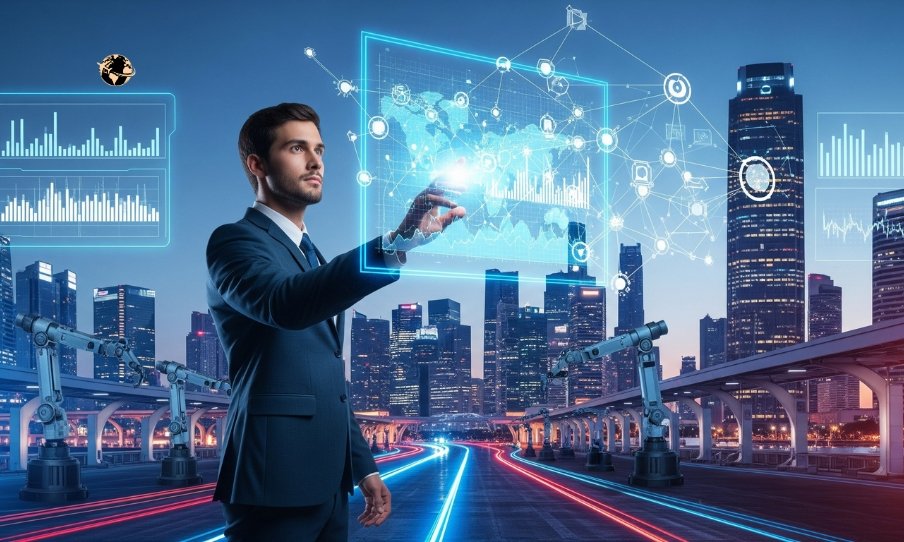
Digital transformation in manufacturing is reshaping how leaders think, act, and guide their organisations. Digital transformation in a manufacturing setting means the application of advanced technologies such as AI, IoT, automation, data analytics, digital twins, and additive manufacturing in every aspect of the production process. The point here is not to simply add a few new machines or software programs. It is a total overhaul of the factories’ operating model, data flow, decision-making, and collaboration methods. This shift reflects how digital transformation is changing leadership in manufacturing, especially as leaders take on new responsibilities shaped by technology and data.
As the core of manufacturing processes, workflows, and product quality are altered in a profound way, this change requires not only technological enhancements but also a different kind of manufacturing leadership transformation and leadership in digital transformation supported by systems thinking in manufacturing.
The New Leadership Landscape: What Is Changing
Leaders Must Think System Wide Rather Than Department By Department
The organization and management of manufacturing leadership were, in a way, by nature, separated into different departments with each having its own silo. These silos are becoming less significant due to digital transformation in manufacturing. Systems thinking is a must. Leaders must know how machines, people, data flows, supply chains, quality control, and business goals are all interrelated. This aligns with cross functional collaboration in manufacturing and the rise of smart manufacturing leadership.
Leadership Becomes More About Influence, Collaboration, and Culture Than Authority
Resistance to change is one of the major causes of failure in digital transformation. This is why modern manufacturing leadership now relies on influence rather than authority. Leaders build trust, empower teams, and create shared vision. This reflects change management in manufacturing and supports the growing need for leadership in digital transformation.
Such a shift encourages responsibility, alignment, and unity across all levels of the organisation.
Data Literacy and Tech Savviness Become Essential Leadership Skills
In connection with IoT, smart sensors, predictive maintenance, analytics, and real time monitoring, data is considered a primary resource. Leaders must interpret metrics, use insights, and guide strategy with a data driven manufacturing leadership mindset. They also need Industry 4.0 leadership skills and awareness of IoT and automation in manufacturing. These trends mark a major aspect of digital manufacturing leadership today.
What Effective Digital Era Leadership Looks Like
To succeed in this transformed environment, manufacturing leaders need a modern mindset and skill set.
Leaders are visionary and customer-focused. They set long-term digital roadmaps and communicate them clearly. They align technology with business goals and customer needs. They understand why leadership matters in smart manufacturing as factories adopt advanced tools.
They are adaptable and resilient. Digital transformation is continuous. Plans change. Experiments fail. Leaders must stay flexible and courageous. This is part of overcoming leadership challenges in digital manufacturing transformation.
Leaders put people first. As automation and AI advance, leaders preserve the human side while ensuring efficiency.
Being collaborative and cross functional. Leaders bridge departments to ensure all units operate as one. This is essential for manufacturing leadership transformation.
They are culture shifters. The most effective leaders build a learning culture in manufacturing, one marked by curiosity, communication, and ownership of change.
Why New Leadership Is Critical for Digital Transformation Success
Digital tools alone do not deliver value. Their success depends on leaders who guide teams through uncertainty and act with clarity. This shift highlights the importance of digital transformation in manufacturing and strong leadership in digital transformation.
Manufacturing organisations benefit more when leaders support scalable processes, readiness for data, and continuous development. This culture aligns with predictive maintenance leadership insights, smart manufacturing leadership, and digital manufacturing leadership practices.
What This Means for Manufacturing Organisations
For companies moving into or scaling digital transformation, here are practical implications tied to manufacturing leadership transformation and the skills modern manufacturing leaders need in the digital era:
- Leadership training must include digital fluency, data literacy, and change management.
- Organisations need leadership styles based on influence rather than hierarchy.
- Digital strategies must be holistic. Leaders should develop enterprise-wide plans that integrate supply chain, operations, workforce, and customer delivery, supported by systems thinking in manufacturing.
- Workforce development is essential. Teams need support as technology evolves.
- Culture shift is essential. Communication, collaboration, and transparency determine success and require strong modern manufacturing leadership.
Conclusion
Digital transformation in manufacturing is redefining how factories operate, how decisions are made, how teams function, and how leaders lead. To succeed, companies need leaders who think broadly, act with empathy, use insight, and promote unity. This reflects the core of digital manufacturing leadership and the expanding role of leadership in digital transformation. Manufacturing success depends on leaders who understand people, systems, data, and change working together.