
Europe’s Defence Tech Start-Ups Ride a Wave of Investment Surge
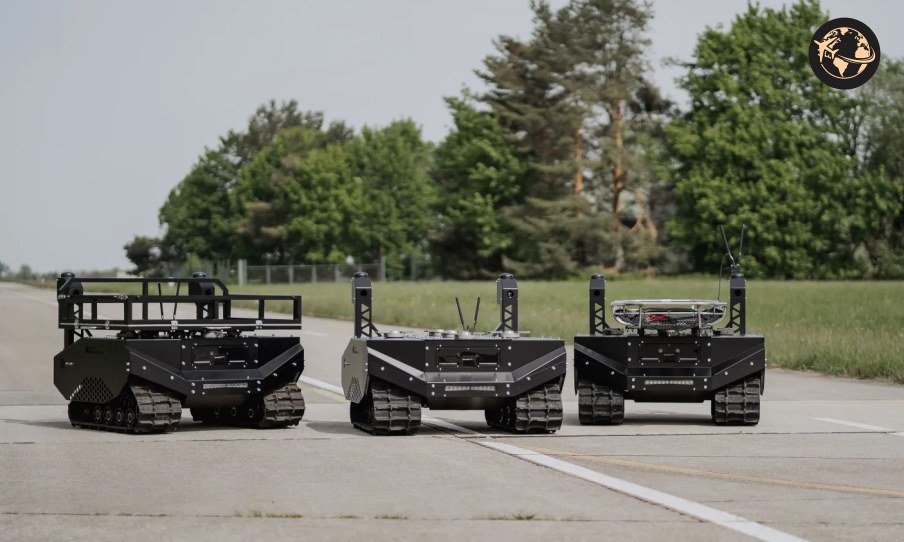
Since Russia invaded Ukraine in 2022, investment in Europe’s defence technology start-ups has expanded at an extraordinary pace. Firms have raised approximately €2.4 billion, with €1.4 billion secured in the first seven months of 2025 alone. This is a remarkable leap compared to just €30 million in 2020. The figures highlight a dramatic shift where urgency meets investor confidence, creating a climate that fuels rapid growth.
Why Now? Geopolitics Meets Strategy
The momentum is rooted in geopolitics. Europe has become increasingly aware of its reliance on external military technologies. The war in Ukraine revealed critical gaps in resilience and capability. The 2025 Munich Security Conference further heightened awareness, creating the conditions for investment to accelerate. Germany has taken a leading role, with companies such as Helsing and Swarm Biotactics gaining recognition as central players in defence innovation. Helsing, which began as a battlefield data software provider, has diversified into drones and submarines and now holds a valuation estimated between €5 billion and €12 billion.
Innovation in Action
Several start-ups are shaping the new landscape with bold ideas and applications. Helsing is integrating artificial intelligence into autonomous drones, underwater surveillance, and even AI-piloted combat trials. STARK, founded in 2024, designs loitering munitions and command software, and it is now expanding with a new production facility in the United Kingdom. Cambridge Aerospace, supported by well-known venture capital firms, is building advanced air defence systems. Other innovators such as Wild Hornets from Ukraine, Arx Robotics, and Tekever are pushing boundaries in rapid development and deployment. Collectively, they represent a wave of experimentation and execution that has quickly become mainstream in the sector.
UK Steps Up, Too
The United Kingdom has played a decisive role in this shift. Investors view domestic production as both strategically valuable and economically beneficial. Start-ups like Tekever and STARK are establishing facilities in Britain, combining industrial growth with enhanced defence readiness. This move underscores how national interest and market opportunity are aligning in practical ways.
Ukraine as a Test Bed
Ukraine has emerged as more than a recipient of new technologies. It has become a proving ground where start-ups test and refine their systems in live conflict zones. This environment accelerates development cycles, shortens feedback loops, and ensures that solutions evolve under real battlefield conditions. The result is a pace of innovation that conventional testing grounds could never deliver.
A Broader Tech Pivot
The surge in defence investment represents a wider transformation in European venture capital priorities. Sectors such as financial technology and consumer AI once dominated. Today, attention has shifted toward military-grade hardware and integrated battlefield systems. Defence technology deals in Europe rose by 24 percent to $5.2 billion last year, a signal that investors are pursuing industrial strength and strategic resilience rather than short-term trends.
Looking Forward
Europe’s defence technology ecosystem is undergoing a profound transformation. Legacy systems are giving way to innovation defined by speed, autonomy, and regional capability. The renewed flow of capital ensures that Europe is no longer standing on the sidelines of its own defence. Instead, it is building a foundation for resilience and readiness that reflects both the urgency of current challenges and the promise of long-term security.